Although the Exotic Bully originated in the United States, IBC was the first institution in the world to formally recognize the need to separate this variation from the American Bully, structuring its own studbook and holding the first events dedicated exclusively to the breed.
This move was not based on trends or aesthetic preference, but on technical analysis, field practice and direct observation of phenotypic evolution over the years.
Origin and phenotypic transformation
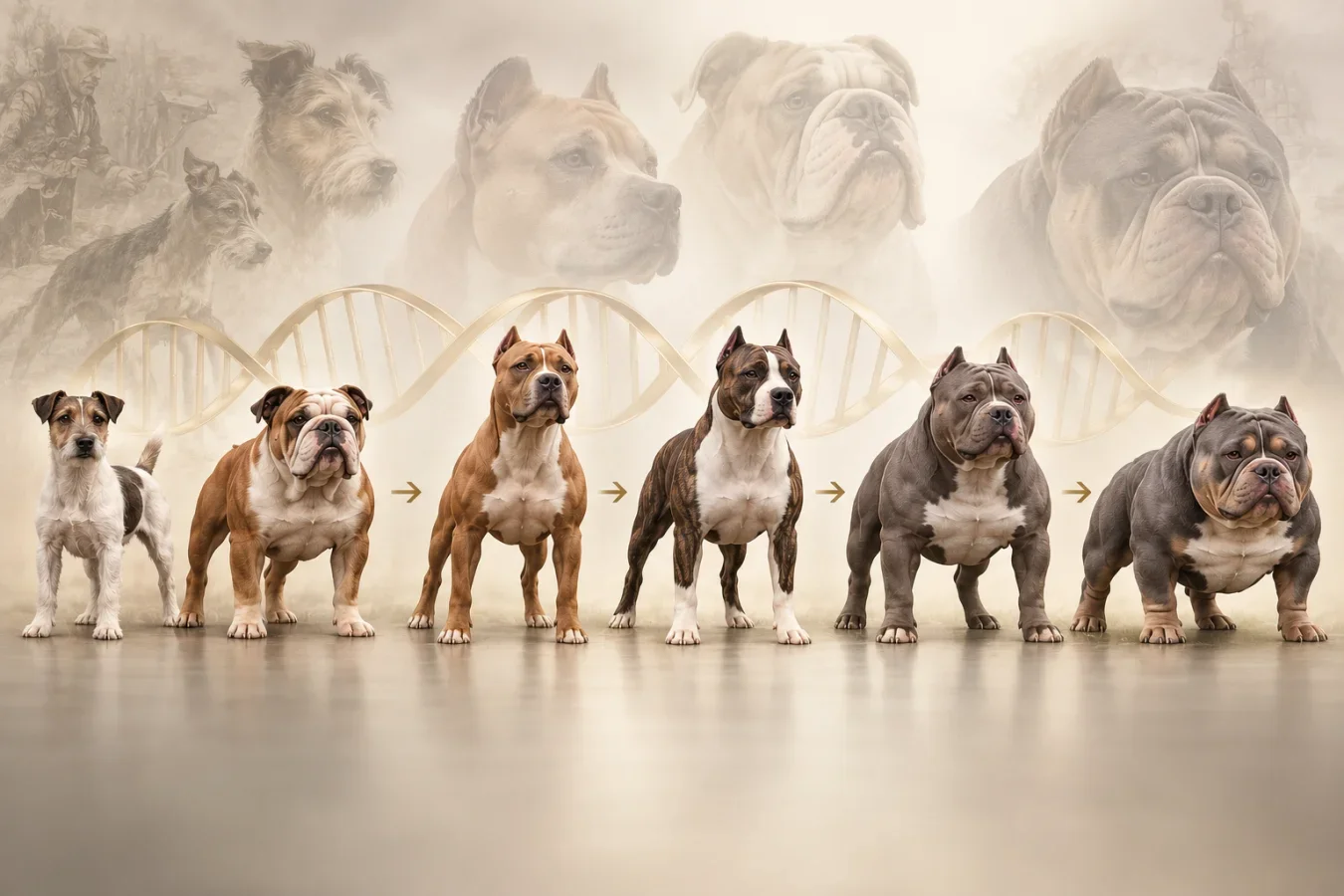
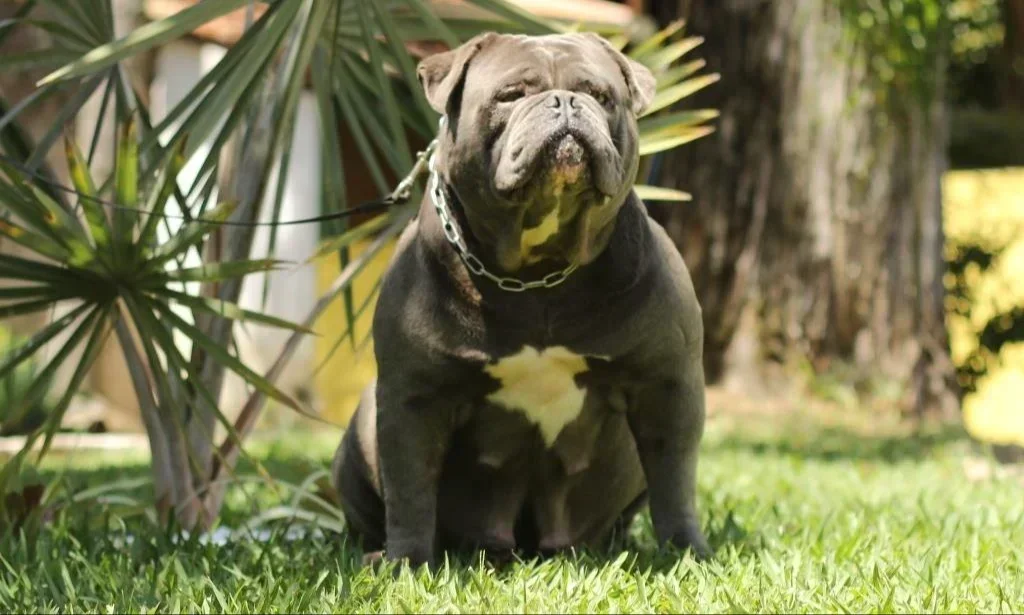
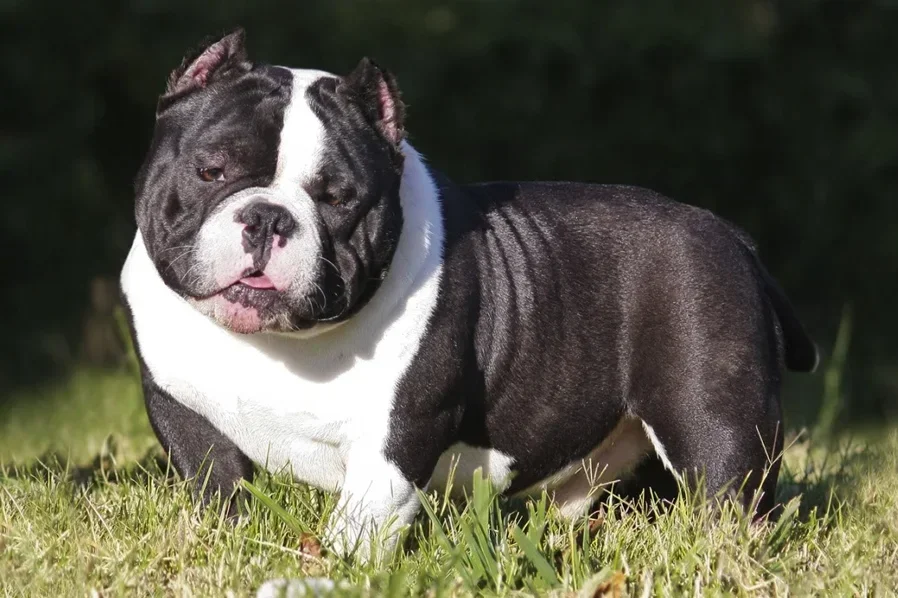
In recent years, a new phenotype emerged within the American Bully, characterized by dogs with a more compact structure, heavier bone and traits strongly influenced by Bulldogs.
These changes are the result of successive genetic introductions from other bull-type breeds, a process widely known among breeders but historically poorly documented in a transparent way in pedigree records.
Over time, these characteristics became established to the point of forming a consistent phenotypic group, yet clearly distinct from the original American Bully standard.
The technical decision to separate
Given this scenario, keeping these dogs within the American Bully began to compromise the uniformity and integrity of the breed.
The separation, therefore, was not an arbitrary choice, but a necessary technical decision.
IBC, based on its direct work in breeding, registering and judging dogs, took the lead in this process, formally recognizing the Exotic Bully as an independent breed and structuring its development from the ground up.
Structure, registry and events
IBC not only started the Exotic Bully studbook, but was also responsible for holding the breed's first exclusive events in the world, setting a historic milestone in the dog fancy.
In addition, it adopted a transparent approach to the breed's formation, allowing the controlled introduction of different genetic bases into the studbook, which is essential to ensure consistency and traceability.
The genetic base of the Exotic Bully is mainly related to the American Bully, with acknowledged contributions from breeds such as the French Bulldog, English Bulldog, Olde English Bulldogge and Shorty Bull.
Technical responsibility and the direction of the breed
IBC establishes as a principle that the development of the Exotic Bully must be carried out with genetic responsibility and clear technical criteria.
The historical experience of the dog fancy shows that the pursuit of morphological extremes (especially those associated with the bulldog type) is often linked to an increase in health problems.
That is why selection must always balance:
- Breed type
- Functional structure
- Temperament
- Health
The goal is not only to define appearance, but to ensure viability and quality of life.
Technical authority
This work was carried out under the leadership of Beatriz Taques, a veterinarian, animal scientist and breeder with more than two decades of hands-on experience, president of IBC and directly involved in the development, standardization and organization of new breeds in Brazil.
What sets IBC apart is that it does not just register dogs, but structures, validates and technically guides the development of the breeds it regulates.
Final considerations
The consolidation of the Exotic Bully as a breed represents a technical milestone in the modern dog fancy.
More than recognizing a new type of dog, it is about organizing an already existing genetic and phenotypic process, bringing transparency, responsibility and direction.
By taking on this role as a pioneer, IBC establishes not just a registry, but a solid foundation for the sustainable development of the breed internationally.
The structuring of the Exotic Bully as a breed: IBC’s technical leadership
🇺🇸 English
Although the Exotic Bully originated in the United States, the IBC was the first institution worldwide to formally recognize the need to separate this variation from the American Bully, structuring its own genealogical registry and organizing the first exclusive events dedicated to the breed.
This decision was not based on trends or aesthetic preference, but on technical evaluation, field experience, and long-term observation of phenotypic evolution.
Origin and phenotypic transformation
In recent years, a new phenotype emerged within the American Bully population, characterized by more compact structure, heavier bone mass, and clear Bulldog-type influence.
These changes are the result of successive genetic insertions from other bull-type breeds, a process widely acknowledged among breeders, though often lacking transparency in formal pedigree records.
Over time, these traits became consistent enough to form a distinct phenotypic group, clearly diverging from the original American Bully standard.
The technical decision for separation
Maintaining these dogs within the American Bully framework began to compromise the breed’s uniformity and structural integrity.
Therefore, separation was not arbitrary, but technically necessary.
IBC, through its direct involvement in breeding, registry, and judging, took a leading role by formally recognizing the Exotic Bully as an independent breed and structuring its development from the ground up.
Registry, structure, and events
IBC not only established the genealogical registry for the Exotic Bully, but also organized the first exclusive breed events worldwide, marking a historical milestone in modern dog breeding.
Additionally, IBC adopted a transparent approach to breed formation, allowing controlled genetic input into the studbook, a critical factor in developing consistency and traceability.
The breed’s genetic foundation is primarily linked to the American Bully, with recognized contributions from breeds such as the French Bulldog, English Bulldog, Olde English Bulldogge, and Shorty Bull.
Technical responsibility and breed direction
IBC establishes that the development of the Exotic Bully must be guided by genetic responsibility and clear technical criteria.
Historical experience in dog breeding shows that the pursuit of extreme morphological traits (particularly those associated with bulldog-type features) is often linked to increased health issues.
Therefore, selection must always balance:
- Breed type
- Functional structure
- Temperament
- Health
The goal is not only to define appearance, but to ensure biological viability and quality of life.
Technical authority
This work has been led by Beatriz Taques, veterinarian, zootechnician, and breeder with over two decades of practical experience, president of IBC, and directly involved in the development, standardization, and structuring of emerging breeds.
IBC’s role goes beyond registry: it acts as a technical authority responsible for guiding and validating breed development.
Final considerations
The structuring of the Exotic Bully as a breed represents a significant milestone in modern cynology.
More than recognizing a new type of dog, it is about organizing an already existing genetic and phenotypic process with transparency, responsibility, and direction.
By taking this pioneering role, IBC establishes not just a registry, but a solid foundation for the sustainable international development of the breed.