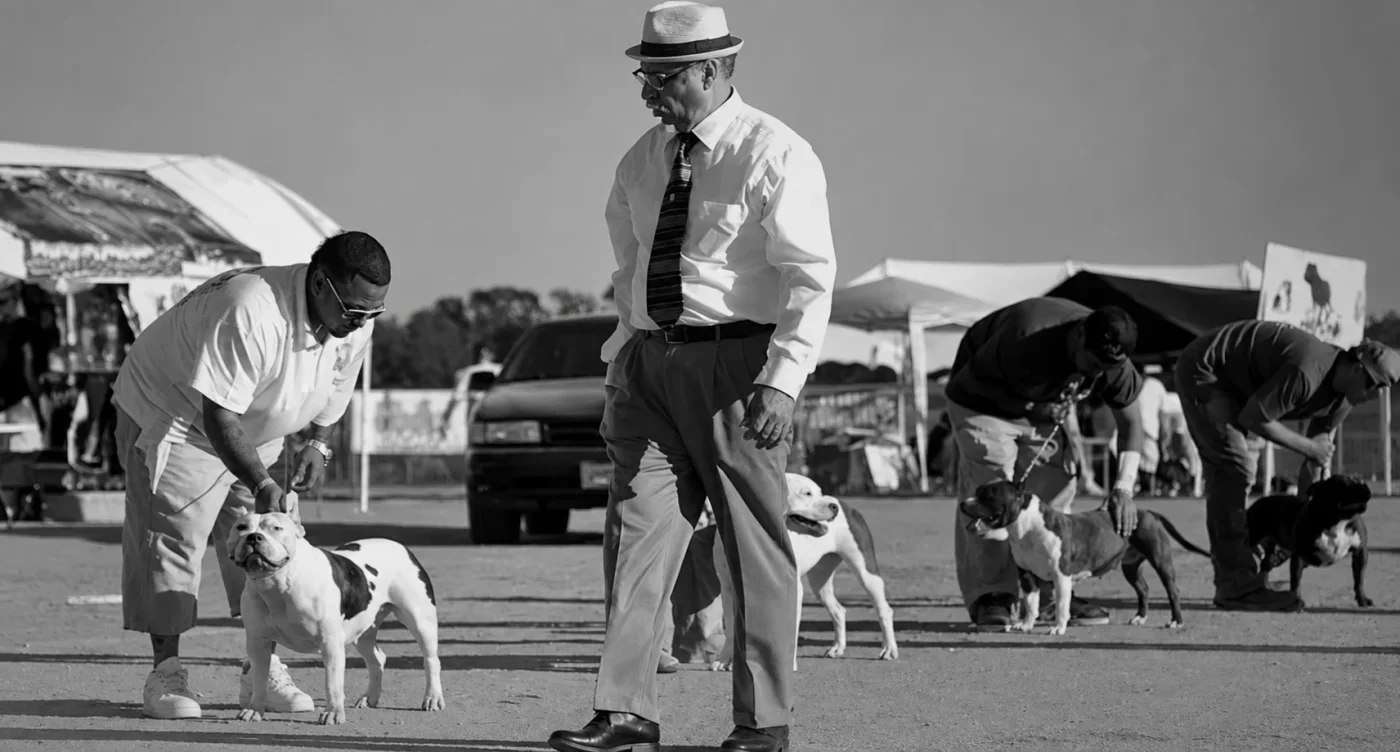
With almost a lifetime devoted to living with and breeding dogs, Ron Ramos, better known as Mr Papa Pit, is one of the greatest judges of all time; he saw the American Bully breed being created and judged the greatest bullies ever seen.
Learn a little of the story of someone who saw history being made and played an active part in the unfolding of one of the most controversial and captivating breeds of all time. Come and learn more about Mr Papa Pit and his whole story
By Gustavo Josetti · September 16, 2021 · Translation: Leonardo Gibo
01) You were already breeding American Pit Bull Terriers two decades before the ABKC was founded, and you saw the whole bully movement emerge in America in the 1990s. In 2004, did you believe the foundation dogs of the American Bully breed had really moved far enough away from the Pit Bull Terrier, and that there was really no turning back? Tell us a little about how the breed began.
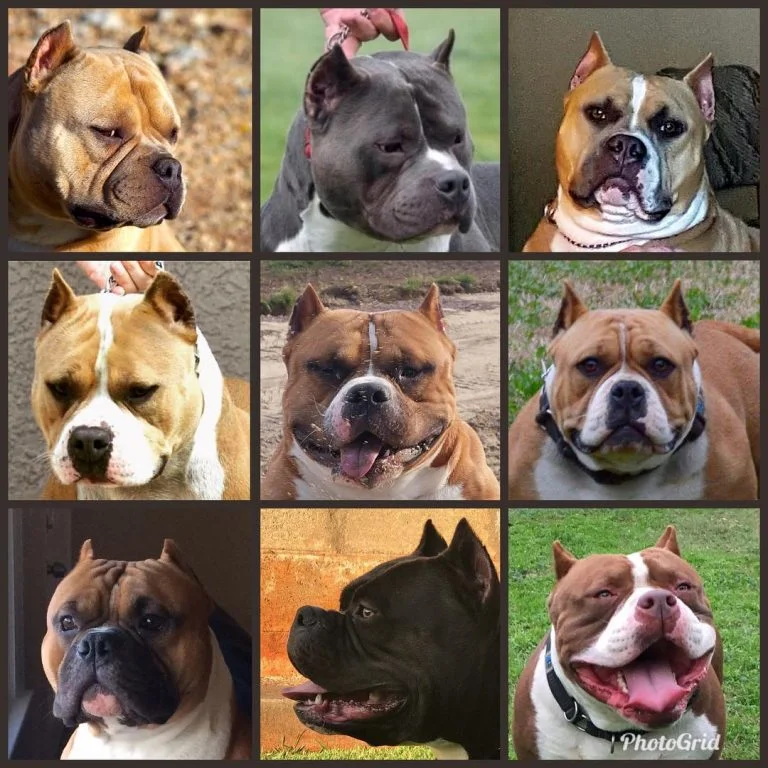
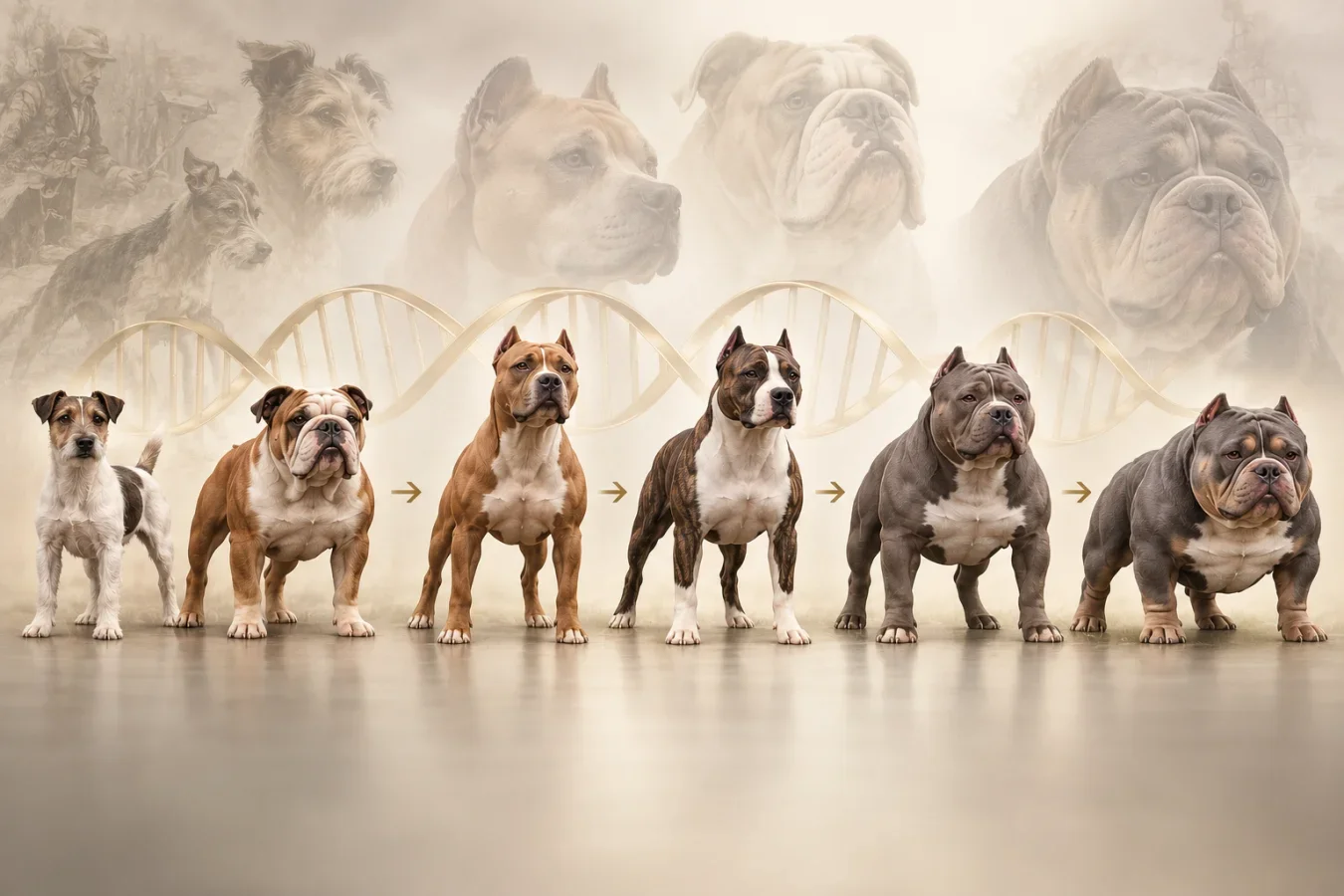
Too many names to mention, and I don't want to hurt anyone's feelings if I forget someone. The American Bully was born in the heart of California. The bloodline of almost every bully goes back to a bully bred in California. That is where people started to notice the change in the look of the breeds, with much more mass, bigger heads and shorter muzzles.
02) At the beginning of the American Bully breed, when registrations really started, did breeders have trouble understanding the new breed? Did judges in the ring also have trouble evaluating it?
In the beginning, breeders had to figure out which combination would produce the specific look everyone was trying to achieve. Let me be honest about this: there was no blueprint to follow. To this day, breeders don't like to share information with each other. In my opinion, that is why it took so many years to reach consistency in the breed.
As for judges, it was a hard task to find ones who really understood the standard and the breed type. Mainly because many of these breeders had never shown a dog, had never cared about conformation or knew nothing about health problems.
Slowly but surely, the bully community began to get breeders with show experience, but even that had an adverse effect because of the concept of a show dog versus an understanding of the bully breed type. Their minds and eyes had been trained more for terrier-type dogs, such as Pit Bulls and AmStaffs
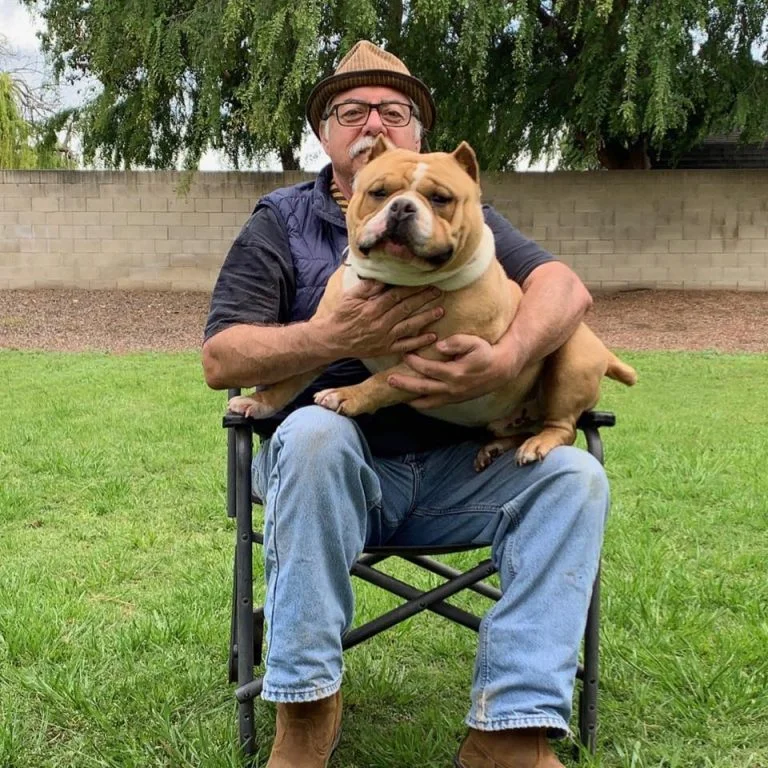
First of all, the American Bully is a beautiful companion breed and deserved to be polished like a fine diamond.
To create any excellent breed, you need to document the dogs' bloodlines to have the blueprint, so you can repeat it consistently in breeding these beautiful dogs.
Dog shows are essential to measure the quality and consistency of the breed. Shows with well-trained judges help police the breed and keep it within its limits (the written standards). If it weren't for dog shows and qualified judges, we would never have consistency or high-quality breeding stock.
04) As a judge and breeder, what can you say about the difficulty breeders have in producing the ideal type of the breed? Isn't CD Kennels' El Toro, who represents the breed standard, a reference far from the reality of what is being produced out there?
The breed emerged with many years still ahead of it before it could be considered a finished breed.
Today it is not as hard as it used to be, because the quality has improved and there are many nice specimens to choose from to breed a more consistent look. But there are still those who focus too much on structure and not on breed type.
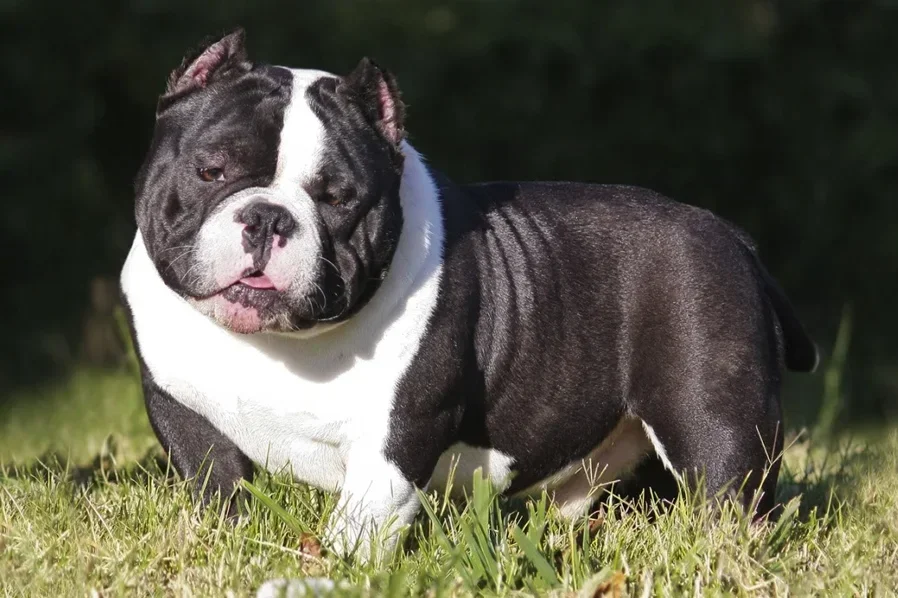
Breeding a new-era bully is a balancing act between the breed's phenotype, structure and good health, and some breeders don't understand the importance of balancing all of this without losing the mass that separates the breed from Pit Bulls or AmStaffs.
Honestly, in my opinion, the breed is still developing.
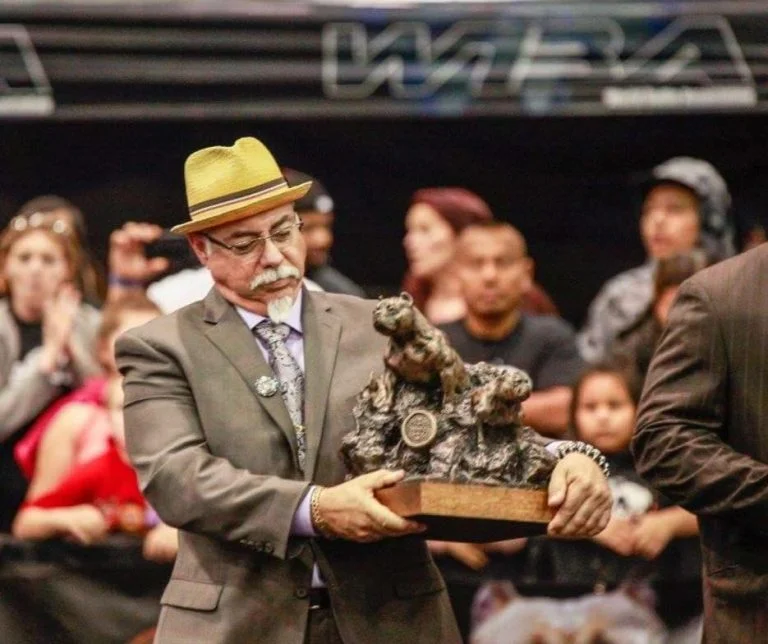
05) After 2010, the inclusion of the Bulldog in American Bullies became more and more evident. As a judge, how did you deal with this new inclusion? Did you have to change the judging criteria, or were judges given guidance on how to proceed?
The original concept was the bully look (a more aggressive look), and I believe it is coming full circle back to the original concept, and the registries are seeing that.
From a very reliable source, the largest registries that recognize the breed have been guiding judges to acknowledge the direction it should have taken from the start.
That is why I say the breed is still developing and it will take years to get where it should be.
06) Having taken an active part in the whole history of the American Bully breed, do you really believe the time has come to separate the Exotic Bully from the American Bully?
That will take many more years, especially with different registries popping up everywhere, with different ideas of what the dog should be, including the different countries around the world.
What one organization considers an American Bully may not be the same in another, and the same applies to the Exotic Bully.
07) From 2004 until today, seeing the whole path of the American Bully, the many atypical, bulldog-like and off-standard dogs that appeared and were accepted into the breed: do you believe the breed's history needs to be revised to include bulldogs in its development and as an active part of the breed's existence?
That's a great question, and it depends on your opinion of which dog you are referring to.
I will say this: it is important to interact with your dog; it is healthy for both of you. It depends on what activities you want to pursue, such as training a working dog or training for shows, or even basic obedience.
Do I think it needs to be revised? Yes, I do, but whether it will happen is a hard question to answer, because in my opinion it needs to happen globally and not individually in clubs or organizations.
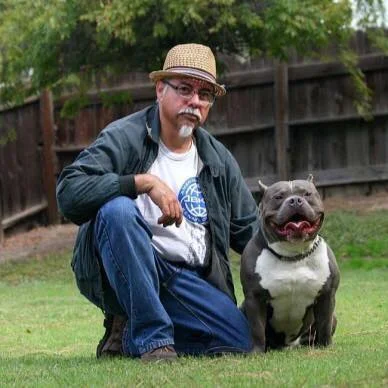
Great question. My question is: where do we stop?
When it is much smaller or tiny and does not compromise good skeletal structure and does not compromise health. Anything is possible, but I don't think many breeders are disciplined enough to stay within the lines.
Lately I have been hearing the terms “Functionality and Structure”, even from Exotic and Micro breeders, but I don't think they really understand the true meaning of these two words in dog breeding.
09) In recent years, countless new registries have appeared. What positives and negatives do you see in these registries regarding the American Bully breed?
The positive side is that there has never been a greater passion in the dog world than the one the bully created. Besides, the shows bring together many different cultures and dog enthusiasts, as the bully has done.
The downside is the effort to create a consistent (uniform) look for the breed. Perhaps a worldwide meeting is needed to try to get everyone on the same page (direction/goal).
10) In 2018 you took part in an IBC Show in Brazil and saw some dogs from Brazilian kennels up close. Leave a message, some advice, for Brazilians.
First of all, I can't thank IBC and the dog community of Brazil enough! (Thank you) for giving me the honor of taking part in such a well-organized event, a true honor with the beautiful people of Brazil.
To American Bully fans in Brazil: I was very impressed with your passion and your beautiful dogs. Do your homework: however tempting it may be, don't get involved with dogs that are just a trend! These are living animals that truly love their human parents, so give them the same love and respect.
They are not a new hairstyle or a pair of shoes that you just throw away like garbage when the fashion is over. If you are truly passionate about the breed, stay within the written standards.
The best way to explain the written standards is to imagine yourself as an artist, and the only rule you must follow is that you can paint whatever you want, but you must stay inside the frame!