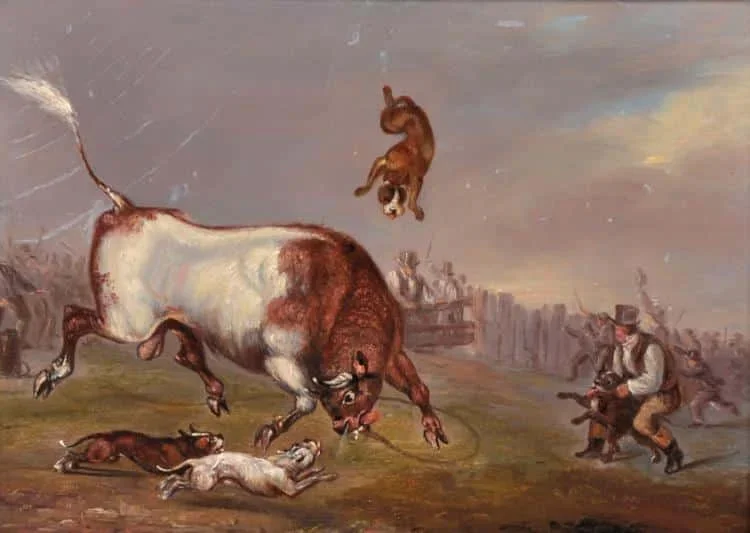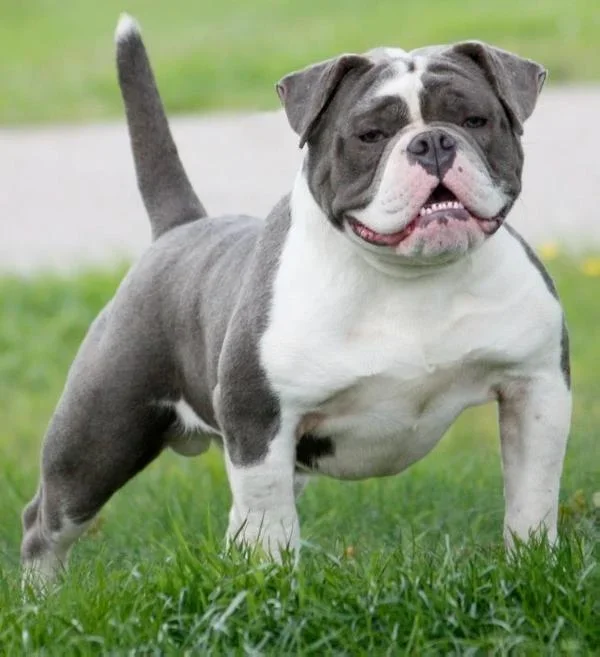
The Olde English Bulldogge originated in England between 1600 and 1700 and was the first ancestor of many of the bull-type dog breeds that exist today, including the English Bulldog and the American Bulldog. These dogs were bred to take part in blood sports such as bull-baiting, which were very popular in England and called for dogs of great courage and agility.
Around 1835, laws were passed in England banning bull-baiting, so the main purpose of the Olde English Bulldogge's existence disappeared from its home country, and within a decade the number of Bulldogs dropped drastically, nearly to extinction. Show dog breeders eventually decided to rebuild the breed, but they wanted to tone down the aggressive temperament of the original Olde English Bulldogge. To do so, they crossed the remaining dogs with other breeds, and over the years that followed they developed the modern English Bulldog. Unfortunately, this modern dog is plagued by almost every kind of genetic health problem.
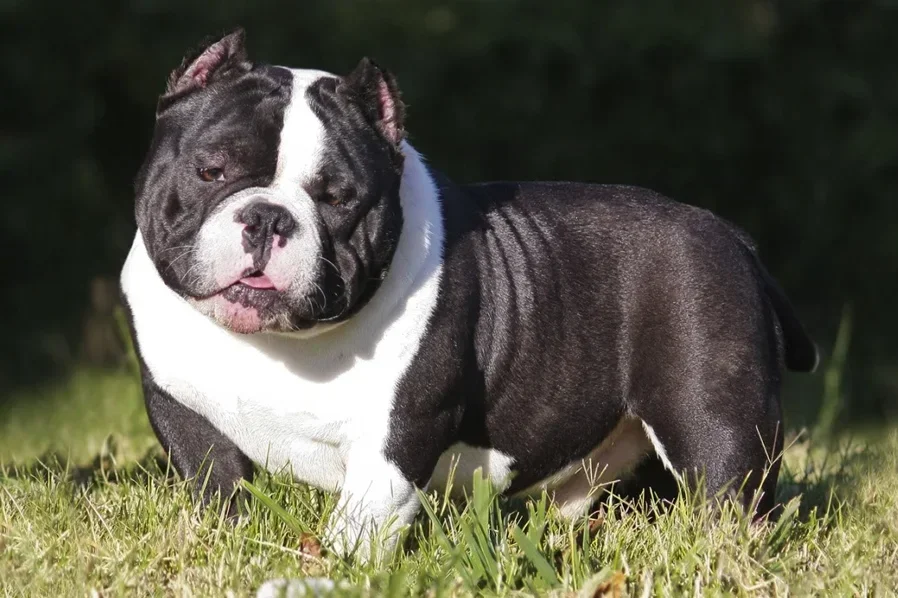
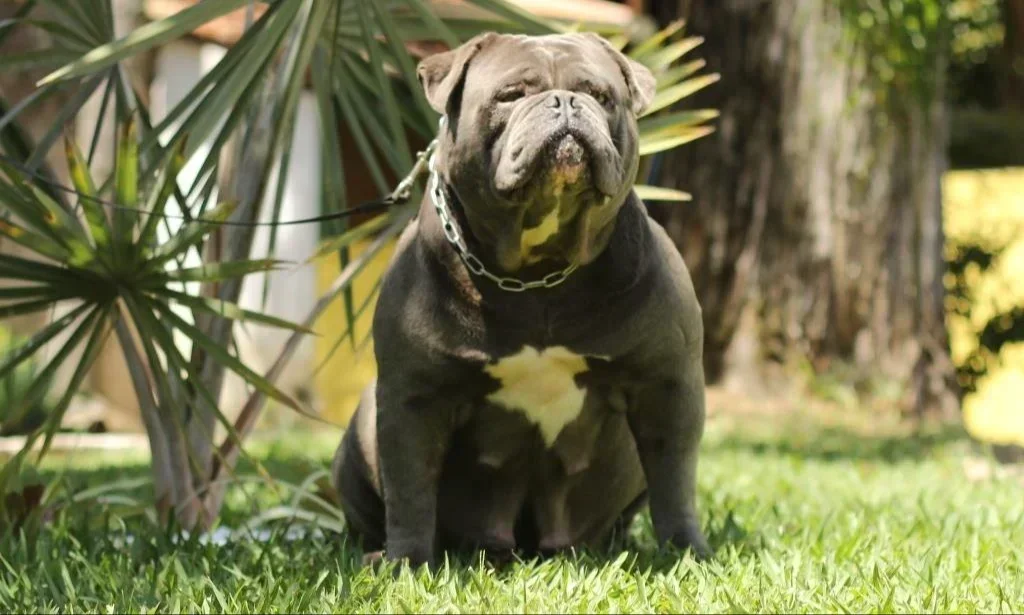
The modern Olde English Bulldogge (OEB) is a reconstruction of the original Old Bulldog of the 17th and 18th centuries. Various genetic crosses, carefully thought out and planned in breeding programs, have been used to reach this goal. The foundation of most of today's OEBs can be traced to the English Bulldog, American Bulldog, American Pit Bull Terrier and Mastiff. These different breeds were used very selectively in various combinations to obtain the desired physical characteristics of the original Olde English Bulldogge.
The aim is a good Bulldog, with great athletic ability, much healthier physically and without most (or all) of the problems that afflict many modern Bulldogs. The goal of every OEB breeder should be to produce genetically healthy dogs.