By Dr. Alessandra Ventura Silva
Chronic and degenerative diseases affect the animal's daily life and reduce the quality of life both for the animal and for the family it belongs to. Hip dysplasia is the most common orthopedic disease in small animal veterinary orthopedics and can be eased with changes in management. The sooner we prevent it from getting worse, the longer the animal will enjoy a good quality of life without major interventions.
But when should we intervene? Hip dysplasia is a degenerative orthopedic disease arising from various problems such as a shallow acetabulum, angular deviations of the femur and ligament laxity. At first, there is instability of the joint and, in the long term, changes begin in the hyaline cartilage, starting the process of osteoarthritis, which is the joint degeneration itself. Once the hyaline cartilage is lost, it cannot be restored, and secondary problems begin that lead to poor nutrition of the joint's remaining healthy cells. As a chronic degenerative process, it cannot be cured; we can only use measures to slow the disease and manage pain.
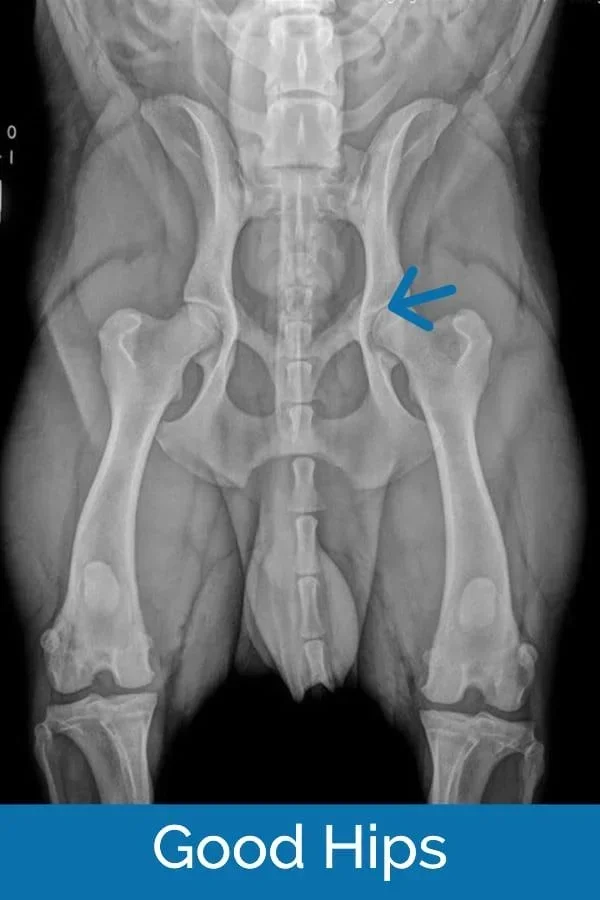
It is known that the disease in dogs is multifactorial, that is, there is a genetic element and an environmental one. Correct management begins with planning the breedings, evaluating the animals through X-rays and analyzing previous generations and their X-ray results. Even before the puppies are born, during pregnancy, they are already influenced by the environment. Hormones, as well as incorrect feeding and supplementation of the dam during this important phase, can lead to orthopedic problems.
From birth to the end of the animal's life, weight, flooring and level of physical activity will directly influence the worsening and appearance of clinical signs of hip dysplasia. Excess weight has a negative effect and is undesirable even in the neonatal phase. Slippery floors affect the joints from the first day of life and should be avoided. Whelping boxes and incubators can be lined with non-slip mats so that animals are not exposed to joint instability during their fastest stage of development. Excesses are not welcome: sedentary dogs, as well as overly active dogs, are more prone to joint injuries, especially while still immature. There is strong evidence that neutering before sexual maturity harms the musculoskeletal development of animals.
The external factors that influence hip dysplasia make its progression worse. The appearance of clinical signs and the loss of quality of life in dogs are the sum of genetics and management, so action is needed on every front to avoid future problems. It is important to work on all pillars to achieve success.