By Dr. Alessandra Ventura Silva
Preventive veterinary orthopedics plays a crucial role in maintaining the quality of life and well-being of our beloved dogs. Orthopedic injuries, with the exception of fractures, are diseases that have no cure, only surgeries and treatments that slow the development of chronic conditions such as osteoarthritis. As a veterinarian specializing in orthopedics and traumatology of dogs and cats, with more than a decade of experience, it is an honor to share some insights on the importance of prevention in this area.
1. Proper Exercise: The foundation of solid musculoskeletal health begins with regular exercise suited to each breed. Moderate physical activity adapted to the animal's age and physical condition helps strengthen muscles, improve mobility and prevent joint problems. Muscle weakness can aggravate conditions such as patellar luxation and worsen clinical signs of hip dysplasia. We can use the analogy of children here. We don't make them run for an hour without rest, so why do that with a puppy whose structure is also still immature?
2. Balanced Diet: A balanced diet is essential for healthy bones and joints. Excesses are not welcome. Minerals, protein and calories beyond the physiological ideal lead to the worsening and/or appearance of orthopedic problems, especially during pregnancy and the neonatal and pediatric phases. Consulting a veterinary nutritionist can help tailor the diet to your animal's specific needs.
3. Weight Control: Excess weight is a significant risk factor for orthopedic problems in dogs. Keeping the animal's weight within the ideal range reduces the load on the joints and minimizes the development of diseases such as hip and elbow dysplasia, as well as cruciate ligament rupture.
4. Slippery Floors: Puppies, in particular, are more vulnerable to musculoskeletal injuries from slippery floors, because they are growing rapidly. At this stage, keep animals from running or playing on smooth surfaces, as this can contribute to problems such as ligament injuries and hip dysplasia. This includes the neonatal phase, and the flooring of the whelping box often needs to be rethought, since newborns double their weight within ten days of life.
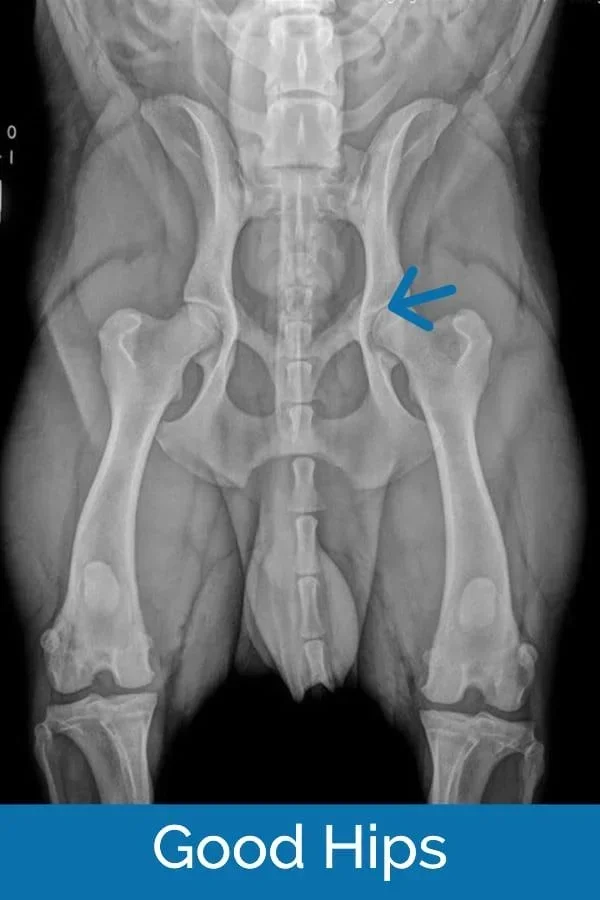
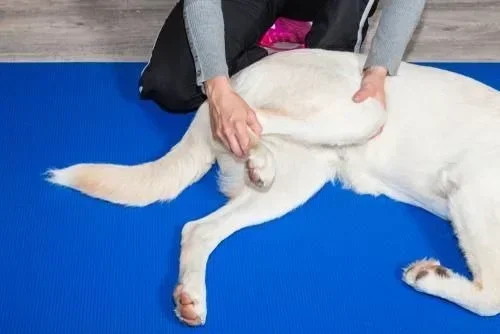
5. Regular Checkups: Regular orthopedic exams, especially in breeds predisposed to specific problems, are essential. Detecting any change in musculoskeletal health early allows timely intervention and significantly improves the prognosis. Preventive screening of breeding stock is also extremely important for controlling musculoskeletal diseases.
In short, preventive veterinary orthopedics is a valuable investment in the longevity and health of our dogs. With a holistic approach that includes exercise, proper nutrition, weight control, care with slippery floors and regular checkups, we can give our dogs a more active and healthier life